

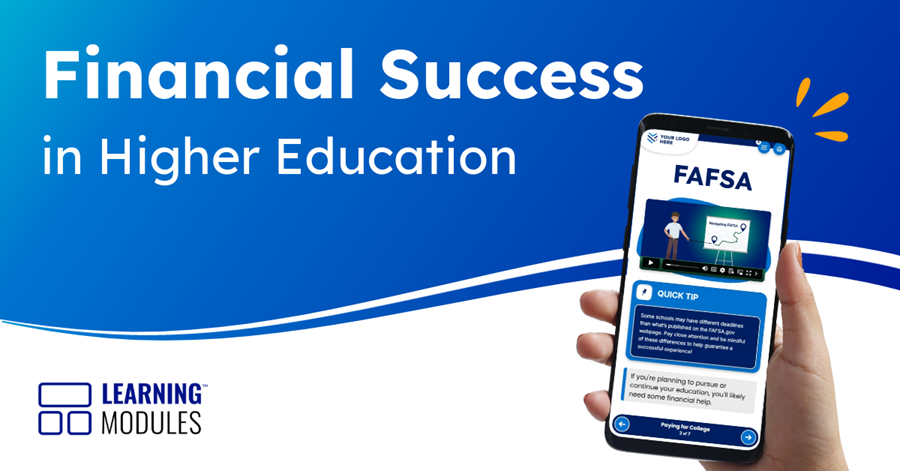
For many students, completing the FAFSA is the first, and often the most challenging, step toward making college affordable. While financial aid can open the door to higher education, navigating the application process requires guidance that many students and families simply don't have.
As Higher Ed Dive reports, "Having dedicated personnel to help with the FAFSA is critical because guidance counselors—who are typically responsible for college advising—are often saddled with high caseloads." Traditionally, high school counselors have served as the primary resource for students navigating the FAFSA and the financial aid process. But today's counselors are balancing more responsibilities than ever before. Alongside college advising, they provide academic planning, crisis intervention, mental health support, and a wide range of student services, leaving little time to provide individualized FAFSA assistance.
The FAFSA Support Gap Moves to Campus
When students can't receive timely support in high school, those questions don't disappear—they follow them to college. Financial aid offices often become the next stop, creating additional strain on financial aid counselors who are already balancing awarding aid and verification, and responding to questions from an entire college student population.
Families Also Need Guidance
The challenge extends beyond students. FAFSA completion often depends on parents or guardians providing financial information, yet many families are unfamiliar with the process or don't fully understand how critical the application is to a student's ability to afford college.
"In some states, this has led to heightened stress and burnout, particularly as some families require intensive support to navigate complex financial and familial situations.”
As demand for support continues to grow, institutions need scalable solutions that prepare students before they arrive on campus. By providing financial literacy education early, institutions can:
- Reduce confusion and frustration
- Improve FAFSA readiness
- Free staff to focus on personalized student support
- Strengthen student success through proactive financial education
A Scalable Solution for Students, Families, and Financial Aid Staff
Rather than relying solely on one-on-one counseling, institutions can provide students and families with foundational financial aid education before questions even reach financial aid offices.
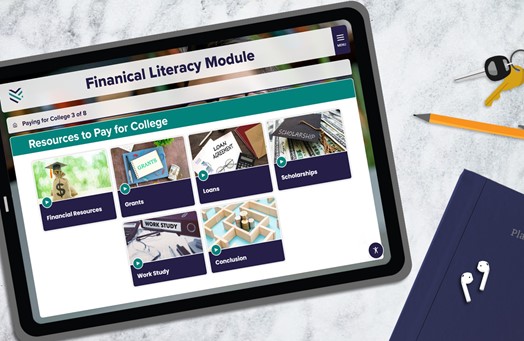
The Advantage Financial Literacy Learning Module helps students and families understand:
- How to navigate the FAFSA process
- Different types of financial aid available
- Budgeting strategies for college expenses
- Key financial concepts to make informed decisions
By introducing financial literacy early, students arrive better prepared to complete key financial aid steps and make informed decisions about paying for college. The result is a more informed student population, fewer repetitive questions for financial aid staff, and additional time for counselors to focus on students who need individualized support.
As financial aid processes continue to grow in complexity, scalable educational resources are more than a convenience. They're an essential part of supporting student success while reducing the burden on counseling and financial aid professionals.
Request a live tour to learn how the Advantage Financial Literacy Learning Module provides campus-wide financial education to empower students and their families while decreasing staff workload.